Europe Furniture Markets: Trends, Growth, and Opportunities in 2025
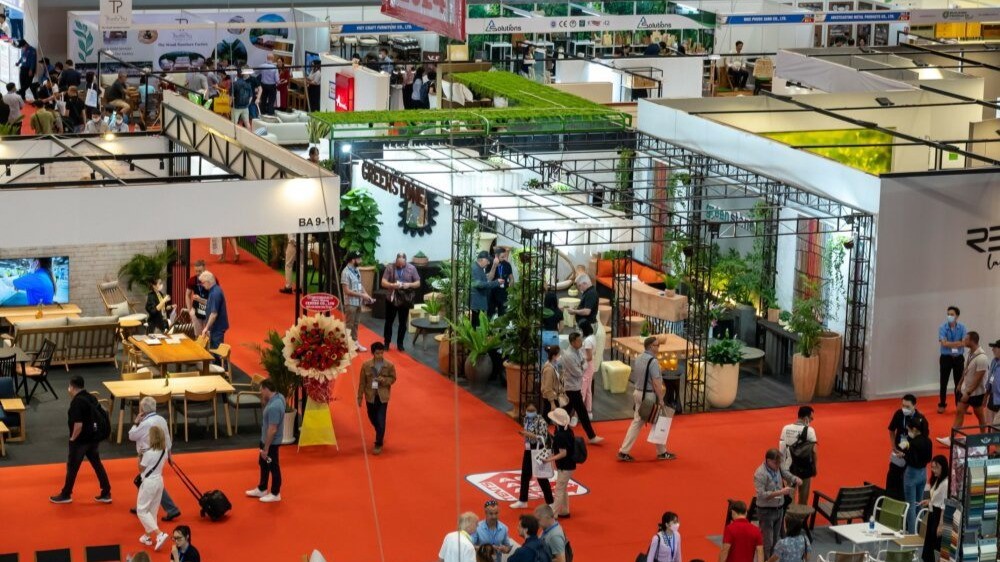
The Europe furniture markets are undergoing a major transformation. From sustainable materials to smart home integration, the European furniture scene is setting global trends that reflect a perfect mix of innovation, tradition, and design excellence. Whether you’re a manufacturer, retailer, designer, or buyer, understanding how this market operates can give you a powerful edge.
In this article, we’ll explore everything you need to know about Europe’s furniture markets — including current trends, key players, consumer behavior, challenges, and opportunities shaping the industry in 2025.
Understanding the Europe Furniture Market
Europe has long been a global leader in furniture design and production. Countries like Italy, Germany, France, Poland, and Denmark have built a solid reputation for craftsmanship, style, and sustainability. The region’s furniture industry is not just about aesthetics; it also reflects cultural identity and environmental consciousness.
Key Market Overview
Market Size (2025): Estimated to surpass USD 200 billion.
Leading Segments: Home furniture, office furniture, outdoor furniture, and custom-made products.
Top Exporters: Italy, Poland, and Germany lead in exports to the U.S., Asia, and other European nations.
Consumer Focus: Eco-friendly, multifunctional, and durable furniture is in high demand.
The Europe furniture markets are also strongly driven by technology and digitalization. Online sales channels, 3D product visualization, and augmented reality shopping experiences are reshaping how consumers purchase furniture.
Major Trends Driving the Europe Furniture Markets
The European furniture sector is evolving rapidly. Here are the top trends defining its growth in 2025 and beyond.
Sustainable and Eco-Friendly Design
Sustainability is at the heart of Europe’s furniture evolution. With consumers becoming more conscious of their environmental footprint, brands are shifting towards recycled materials, biodegradable finishes, and sustainable wood sourcing.
Examples:
Scandinavian brands like IKEA and Muuto emphasize renewable and recycled materials.
Italian designers are experimenting with bio-based plastics and organic fabrics.
This trend aligns with the EU’s push toward circular economy practices, making sustainability not just an ethical choice but a regulatory one too.
Customization and Personalization
Modern consumers want furniture that reflects their unique lifestyles. The demand for custom-made furniture is soaring across Europe.
With tools like 3D configuration and AI-powered design software, buyers can now personalize furniture dimensions, fabrics, and finishes before making a purchase. This shift is especially visible in luxury segments, where bespoke craftsmanship remains a selling point.
Smart Furniture and Technology Integration
As smart homes become the norm, smart furniture is gaining traction in Europe. From desks with wireless charging to adjustable smart beds and lighting-integrated shelves, innovation is transforming everyday furniture.
Examples:
Germany’s tech-driven furniture start-ups are creating smart office desks with built-in IoT systems.
French brands are integrating sensors and voice control in home furniture for enhanced user comfort.
This trend caters especially to the growing remote work and home office segment.
Rise of Online and Hybrid Retailing
The shift to e-commerce furniture retailing has accelerated since 2020. Brands now combine online platforms with immersive showrooms where customers can experience furniture in person.
Key players like Made.com, IKEA, and Wayfair Europe are blending digital experiences with AR (augmented reality) tools, allowing users to visualize furniture in their homes before purchase.
Compact and Multifunctional Furniture
With rising urbanization and smaller living spaces in major European cities, space-saving furniture is in high demand.
Convertible sofas, foldable tables, and modular shelving units are leading the way. This trend aligns with minimalistic living and urban sustainability, especially in markets like the UK, France, and the Netherlands.
Regional Breakdown: Furniture Markets Across Europe
Let’s explore how different European regions contribute uniquely to the furniture landscape.
Western Europe
Countries: Germany, France, Italy, Spain, UK
Western Europe is home to the continent’s largest furniture manufacturers and designers. Italy leads in luxury and premium furniture, while Germany dominates industrial production and exports.
Italy: Famous for brands like Poltrona Frau and Natuzzi, Italian furniture emphasizes luxury craftsmanship and timeless design.
Germany: Known for precision engineering and functional designs, often focusing on modular furniture.
France: Blends elegance with modern minimalism. French consumers favor locally made, eco-certified furniture.
Northern Europe
Countries: Denmark, Sweden, Finland, Norway
Scandinavian furniture design is globally recognized for its simplicity, functionality, and eco-friendliness. The region’s brands prioritize natural materials, light tones, and minimalist aesthetics.
Denmark: Iconic names like BoConcept and HAY focus on sleek, modern designs.
Sweden: IKEA remains the world’s largest furniture retailer, representing affordability and accessibility.
Eastern and Central Europe
Countries: Poland, Czech Republic, Romania, Hungary
Eastern Europe has emerged as a manufacturing powerhouse. Poland is now one of the world’s top furniture exporters, thanks to its strong production capacity and competitive pricing.
These markets also supply major Western European brands, making them vital players in the global furniture supply chain.
Southern Europe
Countries: Spain, Portugal, Greece, Italy (partially)
Southern European furniture emphasizes artistry, handcrafted quality, and Mediterranean aesthetics. Spain and Portugal are gaining recognition for combining traditional craftsmanship with modern innovation, especially in outdoor and hospitality furniture.
Market Segments: Home, Office, and Outdoor Furniture
The Europe furniture markets cover multiple categories, each with its own dynamics and growth factors.
Home Furniture
The largest segment in the European market, driven by home renovation and interior design trends. Key categories include:
Living room furniture
Bedroom sets
Kitchen and dining furniture
Home décor and accessories
The pandemic boosted home improvement spending, leading to a steady increase in demand for stylish, comfortable, and sustainable home furnishings.
Office Furniture
With the rise of remote and hybrid work, the European office furniture sector has adapted. Companies and individuals now prioritize ergonomic designs, flexible layouts, and noise-reducing elements.
Trends include:
Adjustable desks and ergonomic chairs
Collaborative workspaces
Smart office furniture with integrated tech
Outdoor Furniture
Europe’s outdoor furniture market is thriving thanks to the growing popularity of home gardens, patios, and balconies. Weather-resistant materials and modern aesthetics are in focus.
Popular materials include:
Teak and aluminum
Rattan and resin wicker
Recycled plastics and composite wood
Key Players in the Europe Furniture Markets
Several brands dominate the landscape, each catering to different consumer segments:
| Brand | Country | Specialty |
|---|---|---|
| IKEA | Sweden | Affordable, mass-market furniture |
| Poltrona Frau | Italy | Luxury leather furniture |
| BoConcept | Denmark | Modern, customizable designs |
| Vitra | Switzerland/Germany | High-end office furniture |
| Ligne Roset | France | Contemporary home furniture |
| Vox Furniture | Poland | Youth-oriented and modular furniture |
These companies set benchmarks in design innovation, sustainability, and affordability, shaping Europe’s furniture identity worldwide.
Challenges Facing the Europe Furniture Industry
Despite its strength, the market faces several challenges:
Supply Chain Disruptions: The cost of raw materials and logistics remains high post-pandemic.
Sustainability Regulations: Stricter EU environmental policies demand greener production.
Labor Shortages: Skilled craftsmanship is declining in some regions.
Competition from Imports: Cheaper furniture from Asia pressures local producers.
To remain competitive, European furniture makers are investing in automation, digital supply chains, and green certifications.
Opportunities for Growth in 2025 and Beyond
The future of the Europe furniture markets looks bright, driven by innovation and sustainability. Some of the most promising opportunities include:
Eco-luxury Furniture: Combining elegance with sustainability.
Smart Home Integration: Expanding the Internet of Things (IoT) into furniture design.
Circular Economy Models: Furniture recycling and refurbishment initiatives.
E-commerce Expansion: Growing demand for online customization and direct-to-consumer sales.
European companies that adapt quickly to digital transformation and sustainable manufacturing will lead the global market in the coming decade.
Future Outlook: Where the Market is Headed
By 2030, the Europe furniture markets are expected to become more digital, sustainable, and design-centric. Consumers will favor brands that offer not just beautiful furniture, but also ethical production, durability, and transparency.
Key takeaways for stakeholders:
Designers: Focus on modular, minimal, and nature-inspired aesthetics.
Manufacturers: Adopt eco-friendly materials and automation technologies.
Retailers: Strengthen online presence with AR and virtual try-on tools.
Investors: Watch for high-growth segments like smart furniture and eco-luxury products.
Conclusion: Europe’s Furniture Market – A Blend of Heritage and Innovation
The Europe furniture markets perfectly balance tradition with modern innovation. From Scandinavian minimalism to Italian luxury, the region continues to influence global furniture trends with its creative spirit and sustainable approach.
As we move through 2025 and beyond, the European furniture industry will remain a benchmark for quality, design, and environmental responsibility. For businesses and consumers alike, this market offers endless opportunities to explore, invest, and innovate.














Post Comment