12ft Ladder: The Perfect Balance Between Reach and Safety
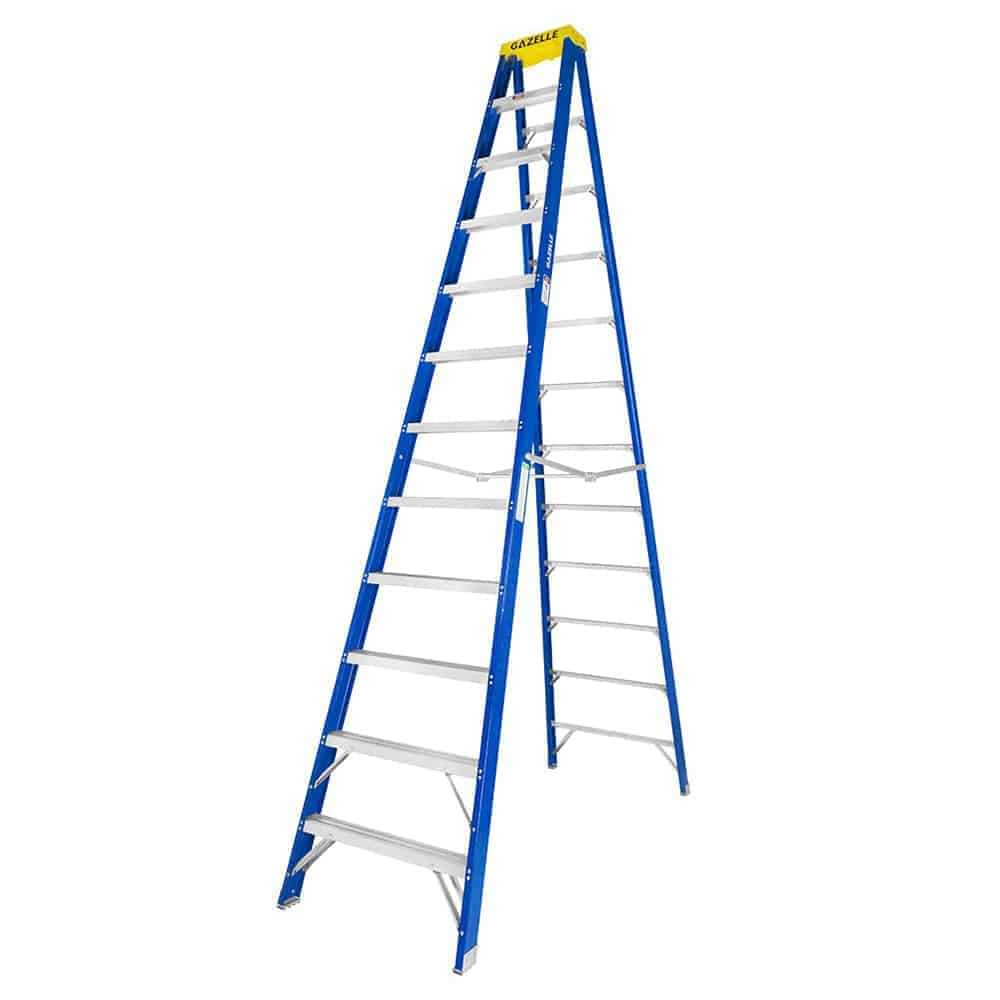
When it comes to tackling tasks that are just out of reach — from cleaning gutters and painting walls to fixing ceiling lights — a 12ft ladder is one of the most practical tools you can own. It offers a perfect balance between height, stability, and portability, making it suitable for both homeowners and professionals.
In this comprehensive guide, we’ll explore everything you need to know about the 12ft ladder — including its types, materials, uses, safety guidelines, and buying tips — so you can make a confident and informed choice.
What is a 12ft Ladder?
A 12ft ladder is a versatile climbing tool designed to reach heights around 12 feet (3.65 meters). It provides access to areas such as ceiling fixtures, high shelves, roofs, and exterior walls. Depending on its design, the ladder can be self-supporting (like a step ladder) or leaned against a wall (like an extension ladder).
This height is considered ideal for both indoor and outdoor tasks. It’s tall enough for home improvement projects yet compact enough for convenient storage and transport.
Why Choose a 12ft Ladder?
Here are some of the main reasons why a 12ft ladder stands out:
Perfect Height: Suitable for ceilings, gutters, and roof edges.
Portability: Easy to move around compared to longer ladders.
Versatility: Works well for both residential and commercial tasks.
Safety: Provides a good balance of height and stability for most users.
Durability: Available in sturdy materials like aluminum and fiberglass.
If you frequently perform household maintenance or light construction work, a 12-foot ladder can be a long-term investment that saves time and improves safety.
Types of 12ft Ladders
Choosing the right type of ladder depends on your usage, storage space, and job requirements. Below are the most common types of 12ft ladders:
Step Ladder (Self-Supporting Type)
A 12ft step ladder is ideal for indoor use or tasks that require both hands free. It stands independently and typically has a wide base for stability.
Best for:
Painting walls and ceilings
Hanging decorations
Cleaning fans and lights
Pros:
o need to lean against a wall
Easy to fold and store
Stable and safe for one-person use
Cons:
Extension Ladder
A 12ft extension ladder consists of two or more sliding sections that can be adjusted to the desired height. It must rest against a wall or support surface.
Best for:
Cleaning gutters or roof work
Outdoor maintenance
Reaching higher walls or windows
Pros:
Adjustable height
Compact when retracted
Great for outdoor work
Cons:
Requires a sturdy surface to lean on
Multi-Purpose or Combination Ladder
A 12ft multi-purpose ladder can be configured as a step ladder, extension ladder, or even a scaffold. It’s ideal for professionals and DIY enthusiasts who perform a variety of tasks.
Best for:
Construction work
Painting and electrical maintenance
Indoor and outdoor tasks
Pros:
Extremely versatile
Space-saving design
High load capacity
Cons:
Slightly heavier than basic models
Telescopic Ladder
A 12ft telescopic ladder features extendable sections that collapse for easy storage. It’s compact, portable, and ideal for those with limited space.
Best for:
Homeowners with small storage areas
Traveling contractors
Occasional maintenance tasks
Pros:
Lightweight and compact
Adjustable height
Easy to carry
Cons:
Less stable than solid-frame ladders
Materials Used in 12ft Ladders
The material of your 12ft ladder plays a crucial role in its durability, weight, and safety. Below are the most common materials used:
Aluminum
Aluminum ladders are lightweight, rust-resistant, and ideal for general-purpose use.
Advantages:
Easy to carry
Long-lasting and rust-proof
Affordable
Disadvantages:
Conducts electricity (not suitable for electrical work)
Fiberglass
Fiberglass ladders are non-conductive, making them perfect for electricians or anyone working near power lines.
Advantages:
Electrically safe
Strong and stable
Weather-resistant
Disadvantages:
Heavier than aluminum ladders
Wood
Wooden ladders offer traditional durability and sturdiness but require proper care.
Advantages:
Solid and reliable
Non-conductive (if dry)
Disadvantages:
Can warp or rot if exposed to moisture
Heavier than modern alternatives
How to Choose the Right 12ft Ladder
Selecting the best 12ft ladder depends on your specific needs. Here are key factors to consider:
Purpose of Use
For indoor use, choose a step ladder or telescopic ladder.
For outdoor work or reaching roofs, go for an extension ladder or multi-purpose model.
Weight Capacity
Ladders come with different duty ratings, which indicate their maximum weight limit.
| Type | Duty Rating | Weight Capacity |
|---|---|---|
| Type III | Light Duty | 200 lbs |
| Type II | Medium Duty | 225 lbs |
| Type I | Heavy Duty | 250 lbs |
| Type IA | Extra Heavy Duty | 300 lbs |
| Type IAA | Professional Grade | 375 lbs |
Choose one that matches your body weight plus the weight of your tools and equipment.
Portability and Storage
If you have limited storage space, a foldable or telescopic 12ft ladder is ideal. For professional use, a sturdier fiberglass or aluminum model is recommended.
Safety Features
Look for ladders with:
Slip-resistant steps
Rubber feet for stability
Locking mechanisms for foldable models
Wide base design for balance
Brand and Warranty
Reputable ladder brands often provide safety certifications, warranties, and replacement parts. Always check for ANSI or OSHA compliance to ensure quality and safety standards.
Top Uses of a 12ft Ladder
A 12ft ladder is one of the most versatile tools for home and job site applications. Here are common uses:
Painting and Decorating: Reach tall walls and ceilings with ease.
Roof and Gutter Maintenance: Perfect for cleaning gutters and checking shingles.
Electrical and Lighting Work: Access ceiling fixtures or run wiring.
Tree Trimming: Safely trim medium-height branches.
Storage Organization: Reach top shelves in garages or warehouses.
No matter the task, ensure the ladder is set up correctly before climbing.
Safety Tips for Using a 12ft Ladder
Using a 12ft ladder requires care and attention. Follow these essential safety guidelines:
Inspect Before Use
Check for loose bolts, cracks, or bent parts. Make sure all locks are secure.
Place on a Stable Surface
Never use a ladder on uneven or slippery ground. Use stabilizers if necessary.
Maintain Three Points of Contact
Always have two feet and one hand (or two hands and one foot) in contact with the ladder.
Don’t Overreach
Keep your belt buckle between the side rails. Move the ladder instead of stretching sideways.
Avoid Electrical Hazards
If working near electricity, use a fiberglass ladder instead of aluminum.
Don’t Exceed the Weight Limit
Always follow the manufacturer’s recommended weight rating.
Proper Angle for Extension Ladders
Set up extension ladders at a 75° angle — for every 4 feet of height, the base should be 1 foot away from the wall.
Store Safely
Store the ladder indoors or in a dry place to prevent damage from moisture or sunlight.
Maintenance Tips for Longer Life
Proper care can extend the lifespan of your 12ft ladder:
Clean dirt and debris after each use.
Lubricate hinges and locks occasionally.
Tighten screws and bolts regularly.
Avoid leaving it outdoors in harsh weather.
With regular maintenance, a good ladder can last for many years.
Cost of a 12ft Ladder
Prices for a 12ft ladder vary depending on the type, brand, and material.
| Type | Material | Average Price Range (USD) |
|---|---|---|
| Step Ladder | Aluminum | $80 – $150 |
| Extension Ladder | Aluminum/Fiberglass | $120 – $250 |
| Multi-Purpose Ladder | Aluminum | $150 – $300 |
| Telescopic Ladder | Aluminum | $100 – $200 |
While cheaper models may work for occasional use, investing in a high-quality ladder ensures better safety and longevity.
Benefits of Owning a 12ft Ladder
Saves Time: No need to borrow or rent ladders for simple tasks.
Enhances Safety: Safer than makeshift climbing solutions like chairs or boxes.
Increases Productivity: Lets you complete maintenance and repair work efficiently.
Versatile Applications: Ideal for home improvement, cleaning, gardening, and professional use.
Conclusion: Your Go-To Tool for Every Task
A 12ft ladder is a must-have for any homeowner, DIY enthusiast, or professional tradesperson. It provides the ideal height for most maintenance, cleaning, and installation jobs — all while ensuring safety and convenience.
When buying, consider the type, material, and safety features that match your needs. Whether you’re painting a wall, fixing a light fixture, or working outdoors, a sturdy and reliable 12ft ladder will always make your work easier and safer.
Takeaway: Invest in a high-quality 12ft ladder today — because safety and efficiency are always worth the climb.














Post Comment