Fire Damage: Complete Guide to Causes, Restoration, and Prevention
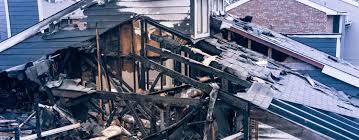
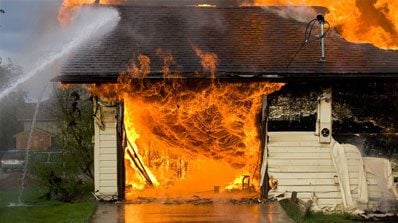
Fire can destroy in minutes what took years to build. Whether it’s your home, office, or a commercial property, fire damage leaves behind more than burnt walls—it affects lives, memories, and financial stability. But here’s the good news: with the right knowledge, quick action, and professional help, recovery is absolutely possible.
In this comprehensive guide, we’ll explore what fire damage really means, what causes it, how to restore and prevent it, and what you should do immediately after a fire.
Understanding Fire Damage
Fire damage refers to the physical and structural destruction caused by flames, heat, smoke, and soot during and after a fire. The extent of the damage depends on factors like the fire’s source, how long it burned, and the materials affected.
When a fire occurs, damage happens in several ways:
Thermal damage: Caused by flames and heat that burn or melt materials.
Smoke damage: From soot and residue that cling to surfaces, walls, and furniture.
Water damage: From firefighting efforts using water or chemicals.
Odor damage: Lingering smell of burnt materials that can stay for weeks or months.
Even a small kitchen fire can cause hidden smoke and soot damage throughout your home. That’s why professional fire damage restoration is crucial.
Common Causes of Fire Damage
Fires can start from many different sources. Understanding the most common causes helps you take preventive measures.
Electrical Fires
Faulty wiring, overloaded outlets, and malfunctioning appliances are among the top causes of fire damage in homes and offices. Regular inspection of electrical systems can prevent this.
Cooking Accidents
Kitchen fires are extremely common, often caused by unattended cooking, grease buildup, or flammable materials near stoves.
Heating Equipment
Space heaters, fireplaces, and furnaces can ignite fires if placed too close to curtains, furniture, or paper.
Smoking Indoors
Cigarettes or candles left burning can quickly start a fire, especially on flammable surfaces like bedding or carpets.
Lightning and Natural Disasters
Wildfires and lightning strikes can cause widespread fire damage, destroying entire properties and landscapes.
Arson or Accidental Human Error
In some cases, fires are caused intentionally or by negligence—like forgetting a candle or leaving a campfire burning.
Types of Fire Damage
Not all fires cause the same type of damage. Professionals categorize fire damage based on the fuel source and smoke type.
| Type of Fire | Description | Common Damage |
|---|---|---|
| Protein Fire | From burning food like meat or grease | Strong odors, discolored paint |
| Complex Fire | From burning synthetic materials | Heavy soot, black residue |
| Natural Fire | From burning wood or paper | Ash residue, odor |
| Electrical Fire | From faulty wiring or circuits | Smoke and melted components |
Knowing the fire type helps determine the right cleaning and restoration method.
The Fire Damage Restoration Process
Restoring a property after a fire is not a simple task. It involves multiple steps, specialized equipment, and safety measures. Let’s break it down.
Step 1: Emergency Response and Inspection
After the fire is extinguished, professionals assess the extent of fire damage. They inspect the structure, identify safety risks, and create a restoration plan.
Step 2: Securing the Property
To prevent further damage or theft, restoration teams board up windows, cover roofs, and ensure the property is safe.
Step 3: Water Removal and Drying
Since firefighting involves water, drying out the property is essential. High-powered fans, dehumidifiers, and vacuums are used to remove water and prevent mold.
Step 4: Smoke and Soot Removal
This step involves cleaning walls, ceilings, and surfaces using specialized equipment like air scrubbers and HEPA vacuums to eliminate soot particles.
Step 5: Odor Removal
Professional-grade deodorizing agents and ozone treatments help remove persistent smoke odors from fabrics and air ducts.
Step 6: Cleaning and Sanitizing
All restorable items—furniture, clothing, and personal belongings—are cleaned, sanitized, and deodorized.
Step 7: Structural Repairs and Restoration
The final stage involves repairing or rebuilding damaged areas. This may include replacing drywall, repainting walls, or reconstructing entire sections of the property.
Fire Damage Cleanup: DIY vs. Professional Help
You might wonder if you can handle fire damage cleanup on your own. While minor soot cleaning might be possible, most fire damage requires professional restoration.
DIY Cleanup (Minor Cases)
Cleaning small soot patches using mild detergents.
Washing affected fabrics and curtains.
Opening windows for ventilation.
Professional Restoration (Recommended)
Handling large-scale smoke and soot removal.
Treating structural and water damage.
Using specialized equipment to eliminate odors.
Ensuring safety and preventing hidden issues like mold or corrosion.
Hiring a fire damage restoration company ensures complete recovery and reduces long-term repair costs.
Health Risks After Fire Damage
Even after the flames are gone, the dangers remain. Smoke, soot, and ash can contain harmful chemicals. Exposure can lead to:
Respiratory issues
Eye and skin irritation
Headaches or dizziness
Long-term lung damage (if exposure continues)
Always wear protective gear when entering a fire-damaged property, and never attempt deep cleaning without professional guidance.
Fire Damage and Insurance Claims
Filing an insurance claim after can be confusing, especially when you’re already dealing with loss. Here’s a simple breakdown of what to do:
Contact your insurance company immediately.
Document the damage — take photos and make a detailed inventory of losses.
Avoid discarding damaged items until inspected by an adjuster.
Get professional estimates for repair and restoration costs.
Keep all receipts for temporary housing or emergency expenses.
Most standard homeowner’s insurance policies cover, but coverage details vary. Always review your policy to understand what’s included.
How to Prevent Fire Damage
While you can’t eliminate every risk, taking preventive steps can drastically reduce the chances of a fire.
Home Fire Safety Tips
Install Smoke Alarms:
Place smoke detectors in every room and test them monthly.
Keep Fire Extinguishers Handy:
Have one in the kitchen, garage, and near exits.
Avoid Overloading Circuits:
Unplug appliances when not in use and avoid extension cord overuse.
Maintain Heating Equipment:
Clean chimneys, inspect furnaces, and keep flammable items away.
Be Careful with Candles:
Never leave them burning unattended. Use flameless alternatives.
Plan an Escape Route:
Create and practice a family fire evacuation plan.
Store Flammables Safely:
Keep gasoline, paints, and chemicals in cool, ventilated areas.
Environmental Impact of Fire Damage
Beyond property loss, affects the environment. Burning materials release carbon monoxide, carbon dioxide, and other pollutants into the atmosphere.
After a wildfire, soil erosion, loss of vegetation, and water contamination can occur. That’s why post-fire cleanup should include environmental restoration—like replanting trees and proper waste disposal.
Fire Damage Restoration Cost
The cost of repairing fire damage varies widely depending on the severity of the fire and property size.
| Damage Level | Estimated Cost Range (USD) |
|---|---|
| Minor (small kitchen fire) | $2,000 – $6,000 |
| Moderate (partial room or floor) | $6,000 – $25,000 |
| Severe (structural damage) | $25,000 – $100,000+ |
Factors affecting cost include:
Extent of smoke and water damage
Type of materials burned
Labor and equipment required
Reconstruction needs
Getting multiple quotes from certified restoration professionals ensures fair pricing and quality work.
Commercial Fire Damage
Fire doesn’t just impact homes—it can devastate businesses too. Commercial fire damage leads to property loss, downtime, and lost income.
Business owners should:
Develop a fire response plan.
Back up important data off-site.
Review business interruption insurance coverage.
Partner with a professional restoration company experienced in commercial recovery.
A quick response can make the difference between temporary closure and permanent shutdown.
Emotional and Psychological Effects of Fire Damage
Recovering from fire damage isn’t just about rebuilding walls—it’s about emotional healing too. Many survivors experience stress, anxiety, and even post-traumatic stress disorder (PTSD).
Coping Tips:
Seek support from family and community.
Contact counseling or disaster recovery programs.
Focus on small, achievable steps during recovery.
Remember, rebuilding takes time—and that’s okay.
Key Takeaways
includes destruction from flames, smoke, soot, and water.
Quick professional restoration reduces long-term costs and risks.
Prevention—through smoke alarms, maintenance, and awareness—is your best defense.
Fire insurance can help cover losses, but always document everything.
Emotional recovery is as important as physical restoration.
Conclusion: Recover, Rebuild, and Rise Again
Fire damage can be devastating, but it’s not the end of your story. With prompt action, professional help, and preventive care, you can rebuild stronger and safer than before.
Whether it’s your home, business, or community, remember: recovery starts the moment you decide to move forward.
Take preventive steps today—because protecting your property from fire damage means protecting your peace of mind tomorrow.











Post Comment