BYU Football: Tradition, Identity, and the Evolution of a Unique College Football Power
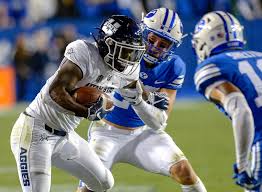
Why BYU Football Is Different From Everyone Else
BYU football isn’t just another college football program trying to win games on Saturdays. It’s a program built on identity, culture, faith, independence, and a long-standing refusal to fit neatly into the boxes the sport loves to create. When people talk about BYU football, they’re usually talking about more than wins and losses. They’re talking about a system, a mindset, and a way of doing things that stands apart from almost every other team in college football.
Brigham Young University’s football program has always walked a unique path. From strict honor codes to extended missionary service, from independence to conference realignment, BYU football has had to innovate just to survive. And yet, despite those challenges, the Cougars have managed to remain nationally relevant for decades. That alone makes the program fascinating.
This article takes a deep, comprehensive look at BYU football — its origins, its defining moments, its strategic evolution, and its place in modern college football. Whether you’re a longtime fan, a casual observer, or someone trying to understand why BYU continues to matter, this is the complete story.
The Early Foundations of BYU Football
The roots of BYU football stretch back to the early 20th century, long before television contracts and playoff committees shaped the sport. In those early years, the program was modest, regional, and largely overlooked. BYU wasn’t considered a powerhouse, and for a long time, it wasn’t even close. What it did have, though, was patience and a growing sense of purpose.
Early BYU teams focused heavily on fundamentals. Resources were limited, recruiting was local, and the program relied on grit rather than star power. While other schools built reputations through size and speed, BYU leaned into discipline and structure. These early habits would later become defining traits of the program.
Perhaps the most important thing BYU built in its early decades wasn’t a trophy case, but a culture. The university’s values were tightly woven into the football program, creating an environment where players were expected to represent something larger than themselves. That cultural alignment would eventually give BYU a recruiting niche and a national identity.
The LaVell Edwards Era: The Birth of a National Brand
If BYU football has a single defining figure, it’s LaVell Edwards. His arrival fundamentally changed everything. Edwards didn’t just coach football; he reimagined what BYU football could be. At a time when most teams relied heavily on the run, Edwards embraced the passing game with almost revolutionary enthusiasm.
The Edwards era turned BYU into a quarterback factory. The offense was built on timing, intelligence, and trust, allowing BYU to compete with more physically imposing teams. This strategic advantage made BYU dangerous, unpredictable, and nationally relevant almost overnight.
Beyond schemes, Edwards cultivated belief. He convinced players that they could compete with anyone, anywhere. Bowl appearances became common. National rankings followed. BYU football went from an afterthought to a respected name, and the rest of the country had to pay attention.
The 1984 National Championship: A Defining Moment
The 1984 season remains the pinnacle of BYU football history. That year, the Cougars went undefeated and were awarded the national championship — a feat that still sparks debate decades later. Critics questioned the strength of schedule, but supporters pointed to consistency, execution, and results.
What made that championship special wasn’t just the trophy. It was the validation. BYU had proven that a non-traditional program could reach the highest level of the sport. It shattered assumptions about who was “allowed” to win national titles.
That championship also changed expectations permanently. From that point forward, BYU football was no longer chasing respect — it was defending it. Every season after 1984 carried the weight of that achievement, shaping how fans, media, and recruits viewed the program.
Quarterback U: BYU’s Most Famous Legacy
BYU football’s reputation as a quarterback powerhouse didn’t happen by accident. The system, the coaching, and the emphasis on mental preparation created ideal conditions for quarterbacks to thrive. Names like Jim McMahon, Steve Young, Ty Detmer, and many others became synonymous with BYU excellence.
What set BYU quarterbacks apart wasn’t just arm talent. It was football intelligence. The offense demanded reads, adjustments, and precision. Quarterbacks weren’t game managers — they were field generals. This reputation helped BYU recruit players who might have been overlooked elsewhere.
Even in modern eras, that legacy still matters. Recruits understand that BYU provides a platform to develop as passers, leaders, and professionals. Quarterback success remains one of the program’s strongest selling points.
Independence: BYU Football’s Boldest Gamble
Few decisions in college football history were as controversial as BYU’s move to independence. Leaving conference security behind was risky, expensive, and widely criticized. But independence aligned with BYU’s broader institutional goals and allowed the program to maintain control over scheduling and exposure.
Independence brought flexibility. BYU could schedule nationally, build rivalries, and negotiate media deals tailored to its brand. At the same time, it removed safety nets like automatic bowl tie-ins and conference championships.
The independent era tested BYU football’s resilience. Some seasons were thrilling; others were frustrating. But through it all, BYU proved it could survive — and sometimes thrive — without conference affiliation.
Recruiting at BYU: Challenges and Hidden Advantages
Recruiting is where BYU football faces its toughest obstacles. The honor code, religious expectations, and missionary service commitments shrink the recruiting pool significantly. Many high-profile recruits simply aren’t interested, and that’s a reality BYU has always accepted.
But limitations can create advantages. BYU recruits players who fit the culture, not just the depth chart. Many return from missions older, stronger, and more mature than their peers. That maturity often translates into leadership and consistency on the field.
BYU also excels at identifying overlooked talent. Players who might be undersized or undervalued elsewhere often thrive in BYU’s system. Recruiting isn’t about winning battles — it’s about finding the right people.
Life After Missions: A Unique Player Development Model
One of the most misunderstood aspects of BYU football is missionary service. Critics often frame it as a disadvantage, citing lost development time. But the reality is more nuanced. Players return physically developed, mentally disciplined, and emotionally mature.
This maturity changes team dynamics. BYU rosters often feature older players with real-life experience, leadership skills, and patience. That maturity can be invaluable in close games and high-pressure situations.
From a coaching standpoint, this creates both challenges and opportunities. Development timelines are different, but the payoff can be significant. BYU football doesn’t rush players — it prepares them.
Coaching Transitions and Program Stability
Replacing legends is never easy, and BYU football has experienced its share of coaching transitions. Each change brought uncertainty, but also renewal. The program has learned to balance tradition with evolution.
Some coaching eras emphasized defense, others offense, but all faced the same underlying challenge: honoring BYU’s identity while competing in a rapidly changing sport. Stability hasn’t always been guaranteed, but adaptability has been constant.
Modern BYU football reflects lessons learned from past transitions. The program now emphasizes flexibility, player development, and strategic recruiting over quick fixes.
Rivalries That Define BYU Football
Rivalries are the emotional heartbeat of college football, and BYU has several that shape its identity. Games against Utah, Utah State, and other regional opponents carry intensity that transcends records and rankings.
The rivalry with Utah, in particular, has national visibility. It’s not just about football — it’s about culture, identity, and bragging rights. These games often define seasons and leave lasting memories.
Rivalries keep BYU grounded. No matter how national the schedule becomes, these matchups remind players and fans where the program comes from.
BYU Football and the Modern Media Landscape
Media exposure has always mattered to BYU football. From early television deals to national broadcasts, visibility has been crucial for recruiting and relevance. Independence forced BYU to think creatively about media partnerships.
BYU’s ability to secure consistent national exposure kept the brand alive during uncertain years. Games against Power Five opponents brought attention, even in losses.
In the digital era, BYU football has leaned into storytelling. Social media, behind-the-scenes content, and player features help humanize the program and reach new audiences.
Defense, Physicality, and the Modern Game
While BYU is famous for quarterbacks, modern success has required balance. Defensive development has become a major focus, especially as offenses across college football grow more explosive.
BYU defenses emphasize discipline, positioning, and situational awareness. Rather than relying solely on speed, they focus on execution and teamwork.
This approach mirrors the program’s broader philosophy: maximize what you have, minimize mistakes, and trust preparation over flash.
Strength and Conditioning: Building Durable Athletes
BYU football places heavy emphasis on durability. Given the unique player timelines, conditioning programs are designed to support long-term health rather than short-term bursts.
Strength training, nutrition, and recovery are treated as essential components of performance. Older players benefit from tailored programs that account for prior service and life experience.
This holistic approach has helped BYU maintain competitiveness even against physically dominant teams.
Fan Culture and the BYU Football Experience
BYU fans are deeply loyal. Home games create a unique atmosphere defined by family-friendly traditions and intense support. The environment may differ from some powerhouses, but the passion is undeniable.
Traveling fans also play a major role. BYU’s national fan base often turns away games into semi-home environments, giving the Cougars an edge on the road.
That connection between program and people is one of BYU football’s greatest strengths.
Transition to Conference Play and the Future
After years of independence, BYU’s return to conference alignment marked a new chapter. Conference play brings stability, rivalries, and a clearer postseason path.
The move represents growth, not abandonment of identity. BYU football remains BYU football — just with new opportunities and challenges.
The future looks promising. With improved recruiting pipelines, stronger competition, and a clear vision, BYU football is positioned to remain relevant for years to come.
Conclusion: Why BYU Football Still Matters
BYU football matters because it proves there’s more than one way to succeed in college football. It shows that culture, patience, and belief can compete with budgets and hype.
The program’s history is a reminder that innovation often comes from outsiders. BYU didn’t follow trends — it created them. And even today, it continues to chart its own path.
In a sport obsessed with sameness, BYU football stands out. And that, more than anything, is why people keep watching.














Post Comment