How Artificial Intelligence Is Transforming Education: Opportunities, Challenges, and the Future
Artificial Intelligence (AI) is no longer a concept confined to science fiction or advanced research labs. It has quietly and steadily entered our everyday lives, influencing how we shop, communicate, work, and increasingly, how we learn. In education, AI is reshaping traditional models of teaching and learning, offering personalized experiences, improving accessibility, and redefining the role of educators. While the potential is immense, the integration of AI into education also raises important ethical, social, and practical challenges that must be addressed.
This article explores how AI is transforming education, the benefits it brings, the challenges it presents, and what the future may hold for students, teachers, and institutions.
Understanding AI in Education
Artificial Intelligence in education refers to the use of machine-based systems that can perform tasks typically requiring human intelligence. These tasks include data analysis, language processing, pattern recognition, and decision-making. In educational settings, AI is commonly embedded in tools such as intelligent tutoring systems, learning management platforms, automated grading software, and adaptive learning applications.
Unlike traditional educational software, AI-driven systems learn from user behavior. They adapt content, pace, and feedback based on a learner’s strengths, weaknesses, and preferences. This ability to personalize learning at scale is one of the most significant contributions of AI to modern education.
1)Personalized Learning Experiences
One of the most impactful applications of AI in education is personalized learning. In a traditional classroom, teachers often face the challenge of addressing diverse learning needs within limited time. AI helps bridge this gap by tailoring educational content to individual students.
Adaptive learning platforms analyze how students interact with lessons, quizzes, and assignments. Based on this data, the system can recommend additional practice, adjust difficulty levels, or present content in different formats such as videos, simulations, or interactive exercises. This ensures that students neither feel overwhelmed nor bored, improving engagement and learning outcomes.
Personalized learning also empowers students to take greater control of their education. Learners can progress at their own pace, revisit challenging concepts, and explore topics of interest more deeply.
2)AI as a Support Tool for Teachers
Contrary to the fear that AI might replace teachers, its most effective role is as a support system. AI can handle time-consuming administrative tasks such as grading multiple-choice assessments, tracking attendance, and organizing learning materials. This allows teachers to focus more on meaningful interactions with students, such as mentoring, discussion, and creative instruction.
Understanding Artificial Intelligence in Education
Artificial Intelligence in education refers to the use of machine learning, natural language processing, and data analytics to enhance teaching and learning. Unlike traditional digital tools, AI systems can analyze vast amounts of data, recognize patterns, and adapt to each student’s needs. This creates personalized learning experiences and supports teachers in optimizing their instruction.
AI technologies in education include:
- Intelligent tutoring systems (ITS)
- Adaptive learning platforms
- Automated grading software
- AI-powered virtual classrooms
By leveraging Artificial Intelligence in education, institutions can improve student engagement, monitor performance, and provide tailored learning opportunities.
AI-powered analytics tools also provide teachers with valuable insights into student performance. Educators can identify learning gaps early, monitor progress in real time, and adjust teaching strategies accordingly. Rather than relying solely on exams, teachers gain a more holistic understanding of student learning patterns.
Enhancing Accessibility and Inclusion
AI has the potential to make education more inclusive and accessible to learners who face barriers due to disability, language, or geographic location. Speech-to-text and text-to-speech technologies assist students with visual or hearing impairments. Language translation tools help non-native speakers access educational content in real time.
For students in remote or underserved regions, AI-driven online platforms can provide access to high-quality learning resources that may otherwise be unavailable. Virtual tutors and AI chatbots offer instant support, enabling learners to ask questions and receive guidance outside traditional classroom hours.
These advancements contribute to a more equitable education system by reducing gaps caused by physical, economic, or social limitations.
3)Intelligent Tutoring Systems
Intelligent tutoring systems (ITS) are AI-based programs designed to simulate one-on-one tutoring. These systems provide step-by-step guidance, immediate feedback, and targeted practice. Unlike static educational software, ITS can respond dynamically to a learner’s actions and mistakes.
Research suggests that intelligent tutoring can significantly improve learning outcomes, especially in subjects such as mathematics, science, and programming. By offering personalized explanations and hints, AI tutors help students build confidence and master complex concepts.
While human tutors offer emotional and motivational support that AI cannot fully replicate, intelligent tutoring systems serve as a valuable supplement, especially where human resources are limited.
Challenges and Ethical Concerns
- Despite its benefits, the use of AI in education raises several challenges that cannot be ignored. One major concern is data privacy. AI systems rely on large amounts of student data to function effectively. Without proper safeguards, this data could be misused or exposed to security risks.Artificial Intelligence in education
Bias is another critical issue. AI systems are trained on existing data, which may reflect social, cultural, or economic biases. If not carefully designed and monitored, AI tools could reinforce inequalities rather than reduce them.
- There is also the risk of over-reliance on technology. Excessive dependence on AI may limit human interaction, creativity, and critical thinking if not balanced appropriately. Education is not only about information transfer but also about social development, values, and emotional intelligence.
The Changing Role of Educators
As AI becomes more integrated into education, the role of educators will continue to evolve. Teachers will increasingly act as facilitators, mentors, and guides rather than sole providers of information. They will focus on developing skills such as critical thinking, collaboration, and ethical reasoning—areas where human judgment is essential.
Professional development will be crucial. Educators must be trained to use AI tools effectively, understand their limitations, and integrate them thoughtfully into curricula. Rather than fearing technological change, teachers who embrace AI as a partner in education are likely to see improved outcomes for themselves and their students.
4)The Future of AI in Education
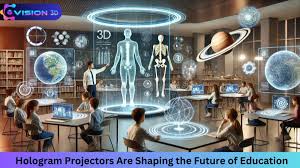
Looking ahead, AI is expected to play an even greater role in shaping education systems worldwide. Predictive analytics may help identify students at risk of dropping out, enabling early intervention. Virtual reality combined with AI could create immersive learning environments that simulate real-world experiences.
However, the future of AI in education should be guided by clear ethical frameworks, transparent policies, and collaboration between educators, technologists, and policymakers. The goal should not be to automate education but to enhance it in ways that respect human values and promote lifelong learning.
Conclusion
Artificial Intelligence is transforming education in profound and lasting ways. From personalized learning and intelligent tutoring to enhanced accessibility and teacher support, AI offers powerful tools to improve educational experiences. At the same time, challenges related to privacy, bias, and ethical use must be carefully managed.Artificial Intelligence in education
When implemented responsibly, AI has the potential to create a more inclusive, efficient, and engaging education system. Rather than replacing teachers or traditional learning, AI serves best as a complement—amplifying human potential and preparing learners for a rapidly changing world.













Post Comment