Best Laser Level: A Complete Buying Guide for Accuracy and Efficiency
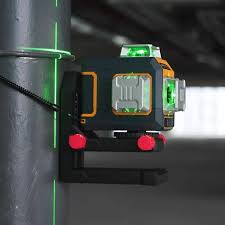
When it comes to construction, home improvement, or DIY projects, precision is everything. Whether you’re installing shelves, laying tiles, hanging pictures, or framing walls, a laser level can save time, reduce errors, and deliver professional-quality results. But with so many options available, choosing the best laser level can feel overwhelming.
This guide breaks down what a is, why you need one, the different types available, and how to choose the best for your needs.
What Is a Laser Level?
A is a tool that projects a visible laser beam to create a straight, level reference line across surfaces. Unlike traditional bubble levels, laser levels offer hands-free operation and greater accuracy, making them ideal for both small household tasks and large construction projects.
Modern laser levels can project horizontal lines, vertical lines, cross lines, or even full 360-degree coverage.
Why You Need the Best Laser Level
Using the best provides several advantages:
High accuracy for precise alignment
Time-saving compared to manual leveling
Hands-free operation improves efficiency
Versatility for indoor and outdoor projects
Professional-quality results even for beginners
From DIY enthusiasts to professional contractors, laser levels have become an essential tool.
Types of Laser Levels
Understanding the types of laser levels helps you pick the right one.
1. Line Laser Levels
These project straight horizontal or vertical lines and are ideal for:
Hanging pictures
Installing cabinets
Tile alignment
They’re compact, affordable, and great for indoor use.
2. Cross-Line Laser Levels
Cross-line models project both horizontal and vertical lines that intersect. They are perfect for:
Framing
Aligning doors and windows
Layout work
This type is one of the most popular choices for homeowners.
3. Rotary Laser Levels
Rotary laser levels project a rotating beam that covers a full circle. These are best for:
Outdoor construction
Landscaping
Large-scale leveling tasks
They are more expensive but offer unmatched range and precision.
4. 360-Degree Laser Levels
These provide full-room coverage with horizontal and vertical planes, making them ideal for:
Whole-room renovations
Ceiling installations
Professional contractors
Key Features to Look for in the Best Laser Level
When choosing the best, consider the following features:
Accuracy
Accuracy is the most important factor. Look for models with ±1/8 inch or better accuracy at 30 feet.
Self-Leveling Capability
Self-leveling laser levels automatically adjust to ensure straight lines, saving time and preventing mistakes.
Visibility and Laser Color
Red lasers are common and affordable
Green lasers are brighter and easier to see, especially in well-lit areas
Green lasers are often preferred for professional use.
Range and Distance
Consider how far the laser can project clearly. Indoor projects usually require 30–50 feet, while outdoor projects may need over 100 feet with a detector.
Durability
A good should be dust-resistant and water-resistant, especially for job site use.
Mounting Options
Tripods, magnetic mounts, and wall brackets add convenience and flexibility.
Best Laser Level for Different Users
Best Laser Level for DIY Homeowners
If you’re a DIY enthusiast, a compact cross-line laser with self-leveling features is usually enough. These models are easy to use, affordable, and perfect for home projects.
Best Laser Level for Professional Contractors
Professionals should invest in a 360-degree or rotary with high accuracy, long range, and durable construction.
Best Laser Level for Outdoor Use
For outdoor work, choose a rotary or a high-powered green laser with a detector to ensure visibility in sunlight.
Benefits of Using a Laser Level Over Traditional Levels
Traditional spirit levels still work, but laser levels offer clear advantages:
Greater accuracy over long distances
Faster setup and operation
Ability to work solo without assistance
Better results for complex layouts
Once you use a laser level, it’s hard to go back.
How to Use a Laser Level Correctly
To get the best results:
Place the on a stable surface or tripod
Allow the self-leveling mechanism to settle
Align the projected line with your reference point
Mark or install according to the laser guide
Always check calibration occasionally to maintain accuracy.
Are Laser Levels Worth It?
Absolutely. Whether you’re hanging a single shelf or managing a full renovation, the best laser level can dramatically improve your workflow. The initial investment quickly pays off through saved time, reduced mistakes, and cleaner results.
Final Thoughts: Choosing the Best Laser Level
The best laser level depends on your specific needs, budget, and project type. For home use, a self-leveling cross-line laser is often the best value. For professionals, investing in a high-quality 360-degree or rotary laser level delivers long-term benefits.
No matter your skill level, a is one of the smartest tools you can add to your toolkit. Accuracy, efficiency, and confidence—all from one device.











Post Comment