Scientific Progress Shaping the Future
Introduction
Scientific Progress Shaping the Futur
Science is quietly but powerfully shaping the future of human society. From technological innovation to healthcare breakthroughs, from environmental solutions to educational reforms, scientific progress is shaping the future in ways that touch every aspect of our lives. Unlike sudden inventions or flashy headlines, many scientific advances work gradually, influencing society through research, experimentation, and thoughtful application.
Science is quietly shaping the future of human society. From technological innovation to healthcare breakthroughs, scientific progress affects every aspect of our lives.
How Scientific Advances Are Shaping Technology
Technology evolves because science provides the foundation for innovation. From AI systems that analyze data to robotics that automate repetitive tasks, scientific progress shaping the future is visible in every high-tech solution we use today. Advances in computing, materials science, and energy technology are creating tools that improve efficiency, reduce waste, and expand human capability.
The pace of innovation will continue to accelerate as science drives new ideas, from quantum computing to advanced medical devices. These developments demonstrate how Across industries, progress in science is creating solutions that improve efficiency and sustainability.
The Role of Scientific Advances in Healthcare and Societ
Few areas show the impact of science more clearly than healthcare. Modern medicine relies on research in genetics, cellular biology, and bioengineering to create treatments that are more precise and effective. Scientific progress shaping the future allows healthcare to move from reactive treatment toward proactive prevention.
Digital health tools, wearable devices, and telemedicine platforms also demonstrate how scientific progress is shaping the future, making healthcare more accessible, personalized, and efficient.
Scientific Progress Driving Sustainable Development
Environmental challenges require data-driven solutions, and science provides the tools to understand and respond effectively. Climate modeling, renewable energy research, and sustainable agriculture practices are all products of scientific progress shaping the future.
By studying ecosystems, pollution, and natural resources, science enables policymakers and communities to adopt strategies that reduce environmental harm while supporting economic growth. Everyday applications, such as energy-efficient technologies and eco-friendly materials,
Education and the Future Shaped by Scientific Innovation
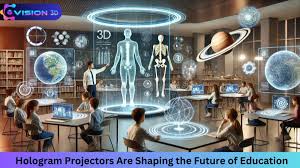
Education is evolving alongside science. Modern learning emphasizes critical thinking, experimentation, and problem-solving over rote memorization. Scientific progress shaping the future is evident in classrooms equipped with virtual labs, interactive simulations, and digital learning platforms.
By integrating science into education, societies prepare students to tackle complex challenges, adapt to technological change, and innovate responsibly. This shows how scientific progress shaping the future not only drives knowledge but also cultivates the skills needed for tomorrow’s workforce.
Ethics and Responsibility in Scientific Progress
With great power comes great responsibility. Scientific progress shaping the future must be guided by ethical principles. Technologies such as gene editing, artificial intelligence, and advanced energy solutions offer enormous potential but also pose societal and ethical questions.
Responsible scientific practice ensures innovations benefit humanity while minimizing risks. By promoting transparency, accountability, and public engagement, society can ensure that scientific progress shaping the future aligns with human values, safety, and sustainability.
: Long-Term Societal Benefits of Scientific Progress
Scientific capability brings responsibility. As tools become more powerful, the importance of ethical decision-making increases. Areas such as genetic research, artificial intelligence, and energy production raise questions that extend beyond science itself.
Responsible scientific progress requires transparency, oversight, and public engagement. Researchers, policymakers, and communities must work together to ensure advancements serve humanity rather than harm it.
Ethics in science is not a limitation but a safeguard. It ensures that innovation aligns with human values, safety, and long-term societal well-being.
Global Cooperation and the Impact of Science on Society
Science transcends borders. Global challenges like climate change, pandemics, and technological security require scientific progress shaping the future to be collaborative. International research partnerships accelerate discovery, reduce duplication, and ensure broader impact.
Through global collaboration, science becomes a tool not only for innovation but also for diplomacy and collective problem-solving.
Long-Term Societal Benefits of Scientific Progres
From economic growth to improved quality of life, the influence of science reaches far beyond laboratories. Industries built on research, such as biotechnology, renewable energy, and information technology, create jobs, stimulate innovation, and drive global competitiveness.
The responsible application of scientific progress shaping the future ensures long-term benefits that are sustainable, equitable, and transformative.
Space Exploration: Scientific Progress Shaping Tomorrow
Exploration beyond Earth demonstrates the boundless potential of science. Research on space habitats, planetary systems, and cosmic phenomena contributes to technological innovation and broadens human knowledge. Satellites and space missions also have practical benefits, from global communication to environmental monitoring.
Scientific exploration proves that scientific progress shaping the future is not limited to Earth — it extends humanity’s reach and inspires new generations of innovators.
Conclusion
Science is more than a collection of discoveries; it is the engine driving society forward. From healthcare and education to environmental sustainability and global cooperation, Understanding how scientific innovation is shaping society helps humanity prepare for challenges and opportunities in the years ahead.













Post Comment