Wired Earbuds: The Timeless Audio Choice for Music Lovers
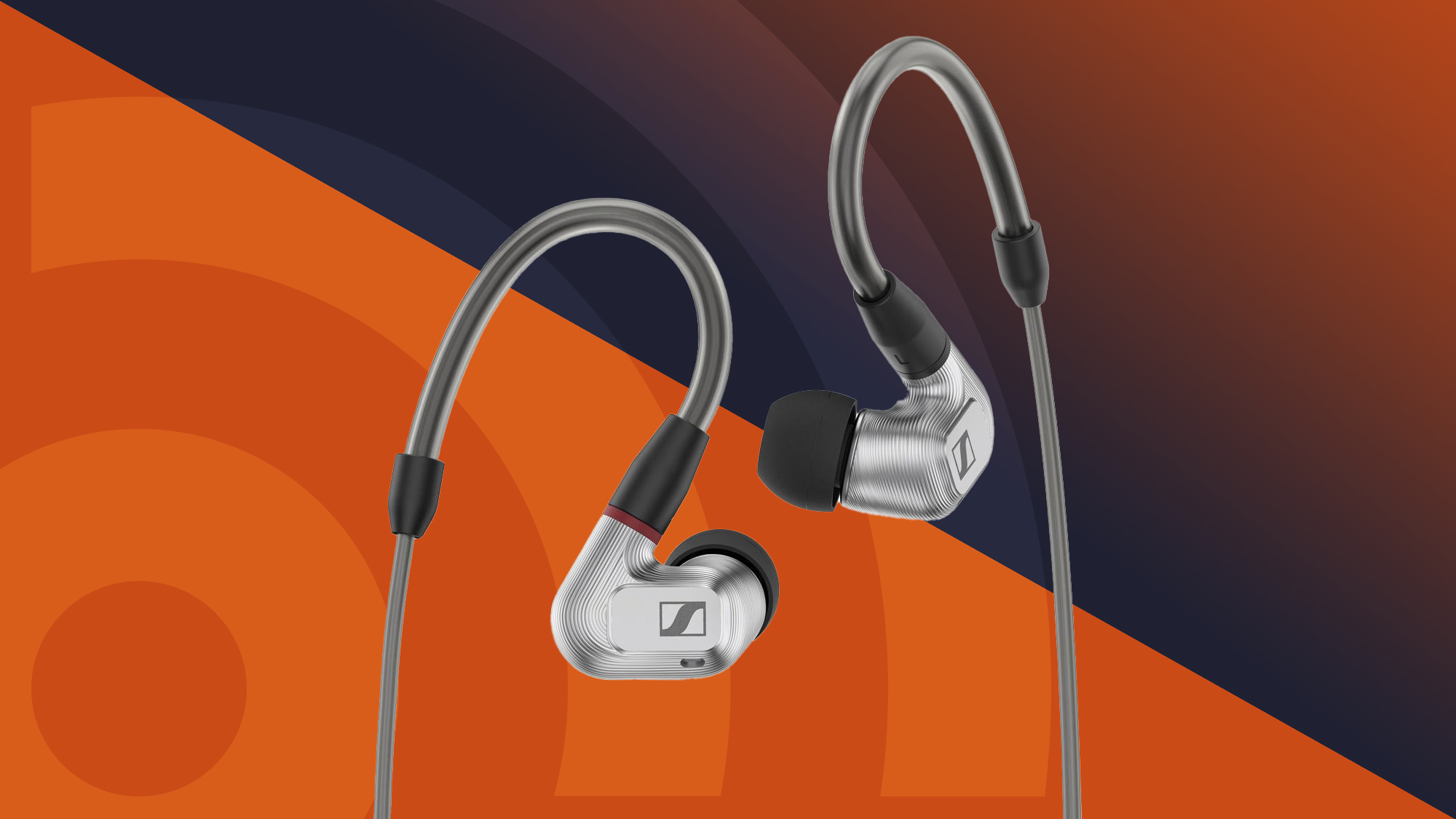
In a world full of wireless gadgets, wired earbuds continue to stand strong. While Bluetooth technology dominates the market, there’s something undeniably reliable and satisfying about a classic pair of wired earphones. Whether you’re an audiophile, gamer, or casual listener,offer consistent sound quality, zero latency, and unbeatable value for money.
This guide dives deep into everything you need to know about wired earbuds — their benefits, types, best features to look for, and how they compare to wireless alternatives.
Why Wired Earbuds Are Still Popular in 2025
Despite the surge of wireless audio devices, many people still prefer wired earbuds for everyday use. Here’s why they’re not going away anytime soon:
Unmatched Audio Quality
directly connect to your device through a headphone jack or adapter. This physical connection ensures lossless audio transmission, delivering richer, fuller, and more detailed sound compared to most Bluetooth earbuds.
Music enthusiasts love because they provide pure sound with minimal compression. Whether you’re listening to a classical orchestra or heavy bass tracks, wired earbuds reproduce audio faithfully.
Zero Lag and Latency
Gamers, podcasters, and video editors appreciate no audio delay — something wireless options often struggle with. Wired earbuds transmit sound instantly, making them ideal for competitive gaming, online meetings, and watching videos in sync.
No Battery Hassles
Unlike wireless earbuds, wired ones never run out of charge. You can plug them in anytime and enjoy uninterrupted playback without worrying about charging cases or battery life.
Affordable and Long-Lasting
You don’t have to spend a fortune to get premium sound. Many wired earbuds under $50 outperform wireless options double their price. They’re also less prone to issues like battery degradation or connection dropouts.
Universal Compatibility
work across multiple platforms — laptops, tablets, gaming consoles, and smartphones (with or without adapters). Whether you use Android, iPhone, or Windows, they deliver consistent performance.
Types of Wired Earbuds
When it comes to wired earbuds, not all designs are created equal. Here are the main types available today:
In-Ear Monitors (IEMs)
Professional musicians and audio engineers often use IEMs. They provide exceptional sound isolation and detailed audio output. Brands like Shure, Audio-Technica, and Sennheiser are known for producing high-end IEMs.
Standard Wired Earbuds
These are the most common type — compact, lightweight, and easy to carry. Perfect for casual listening or commuting.
Earbuds with Mic and Remote
Modernoften come with an in-line microphone and control buttons, letting you take calls or adjust volume without touching your device.
Flat Cable vs. Round Cable Earbuds
Flat cables resist tangling and are easier to store.
Round cables are thinner and more flexible but can tangle more easily.
Key Features to Look for in Wired Earbuds
Before buying, consider these essential features to ensure you get the best experience:
Sound Quality
Check for balanced bass, mids, and treble. Somefocus on heavy bass, while others emphasize clarity for vocals and instruments.
Comfort and Fit
Ergonomic designs with silicone or foam ear tips provide a secure fit and reduce ear fatigue during long listening sessions. Look for models that include multiple ear tip sizes.
Durability
Choose earbuds with reinforced cables, metal housings, or strain relief connectors. These details extend lifespan, especially for everyday use.
Noise Isolation
Passive noise isolation is a huge plus. Properly fitting earbuds block out background noise, giving you a more immersive listening experience without needing active noise cancellation.
Microphone and Controls
If you take calls or record voice notes frequently, go for wired earbuds with a built-in mic and remote control. This makes multitasking seamless.
Jack Type
3.5mm jack – the most common type, compatible with most devices.
USB-C earbuds – for newer smartphones without a headphone jack.
Lightning connector – designed for Apple devices.
Wired Earbuds vs. Wireless Earbuds
Let’s compare wired vs. wireless earbuds to see which suits your lifestyle better.
| Feature | Wired Earbuds | Wireless Earbuds |
|---|---|---|
| Audio Quality | Consistent and lossless | May suffer from compression |
| Latency | Zero lag | Small delay possible |
| Battery Life | Unlimited | Limited to a few hours |
| Price | More affordable | Usually higher |
| Convenience | Requires cable | Cable-free and portable |
| Maintenance | Minimal | Requires charging and pairing |
Verdict: If you value sound quality, reliability, and affordability, wired earbuds are still a fantastic choice. But if convenience and mobility matter more, wireless might suit you better.
Best Uses for Wired Earbuds
fit seamlessly into various activities. Here’s how people use them every day:
Music Listening: Perfect for detailed sound and deep bass.
Gaming: Zero-latency audio enhances reaction time.
Work and Study: Ideal for video calls and focus sessions.
Traveling: Reliable companion during long trips.
Recording and Editing: Accurate sound representation for content creators.
Popular Wired Earbud Brands in 2025
When it comes to quality and performance, a few brands stand out in the wired earbuds category:
Sony
Known for its balanced sound profile and durability, Sony are great for both casual and professional use.
Sennheiser
A go-to brand for audiophiles. Theirdeliver exceptional clarity, detail, and soundstage.
Audio-Technica
Loved by musicians and studio engineers, Audio-Technica’s IEMs offer studio-grade precision.
1MORE
This brand combines premium design, solid audio performance, and value for money. Many models feature multi-driver setups for enhanced clarity.
JBL
JBLoffer powerful bass and vibrant sound — ideal for pop, rock, and EDM lovers.
Tips for Maintaining Your Wired Earbuds
To extend the lifespan of yourfollow these simple tips:
Avoid pulling the cable when unplugging — grip the plug instead.
Store in a case to prevent tangling and physical damage.
Clean ear tips regularly with a soft cloth or alcohol wipes.
Keep away from moisture — water can damage internal components.
Wrap cables properly using the over-under technique to prevent internal breaks.
The Future of Wired Earbuds
While wireless audio continues to grow, are evolving too. In 2025, we see hybrid designs that combine wired stability with detachable cables and modular components. Some even integrate high-resolution DACs for improved digital audio output.
Additionally, USB-C and Lightning connectors are makingmore adaptable to modern devices, ensuring they stay relevant even as smartphone designs change.
Common Myths About Wired Earbuds
Let’s debunk a few misconceptions about
“Wired earbuds are outdated.”
→ Not true. Many professionals still prefer them for consistent sound.
“They’re uncomfortable.”
→ Modern designs include ergonomic shapes and soft ear tips for comfort.
“Wireless always sounds better.”
→ In reality, wired audio is usually cleaner and more accurate, especially for high-bitrate files.
How to Choose the Best Wired Earbuds for You
Here’s a quick checklist to help you find your perfect pair:
Purpose: Are you using them for music, gaming, or calls?
Sound Profile: Do you prefer deep bass or balanced tones?
Fit and Comfort: Look for multiple ear tip sizes.
Cable Type: Flat cables for tangle-free use.
Connector Type: 3.5mm, USB-C, or Lightning based on your device.
Budget: Excellent are available for every price range.
Final Thoughts: Why Wired Earbuds Still Rock
In an age of high-tech audio innovation, wired earbuds remain a dependable, high-quality, and affordable solution for anyone who values consistency and clarity. They offer pure sound, no charging worries, and excellent durability — a true “plug and play” experience.
Whether you’re an audiophile craving detailed sound or a casual listener who just wants reliable performance,deserve a place in your pocket.
So next time you plug in your favorite pair, remember — sometimes the classic choice is still the smartest one.













Post Comment